Description
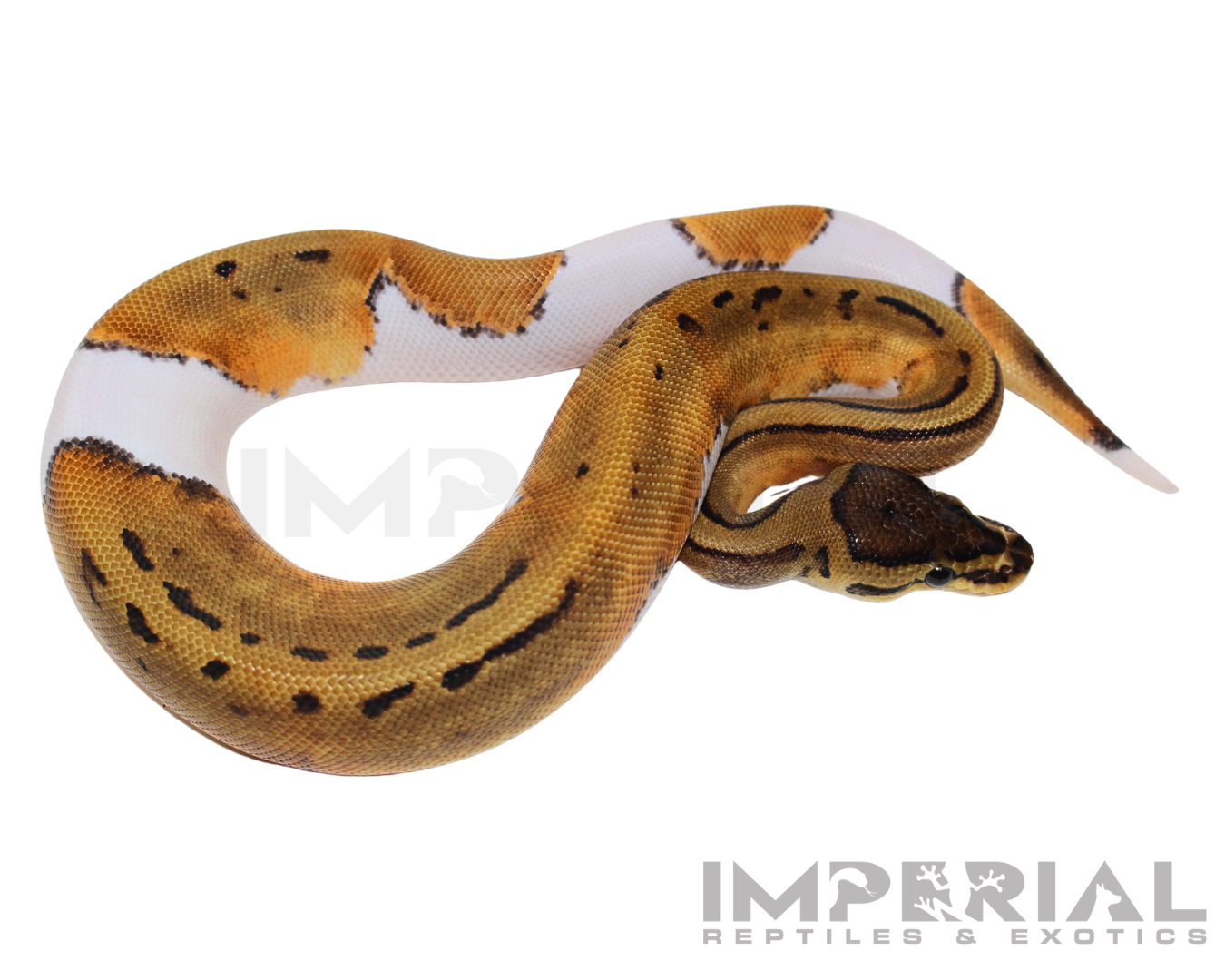
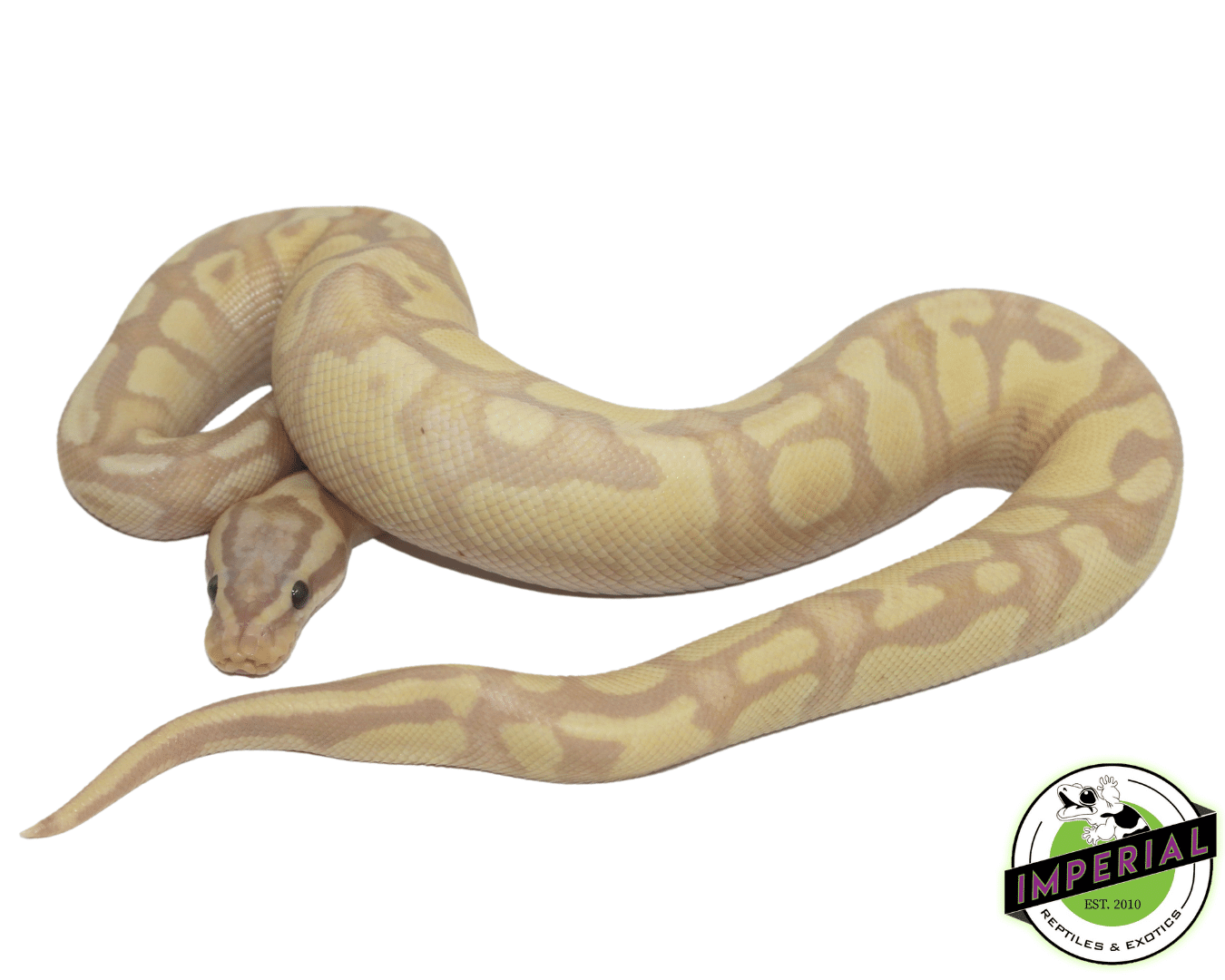
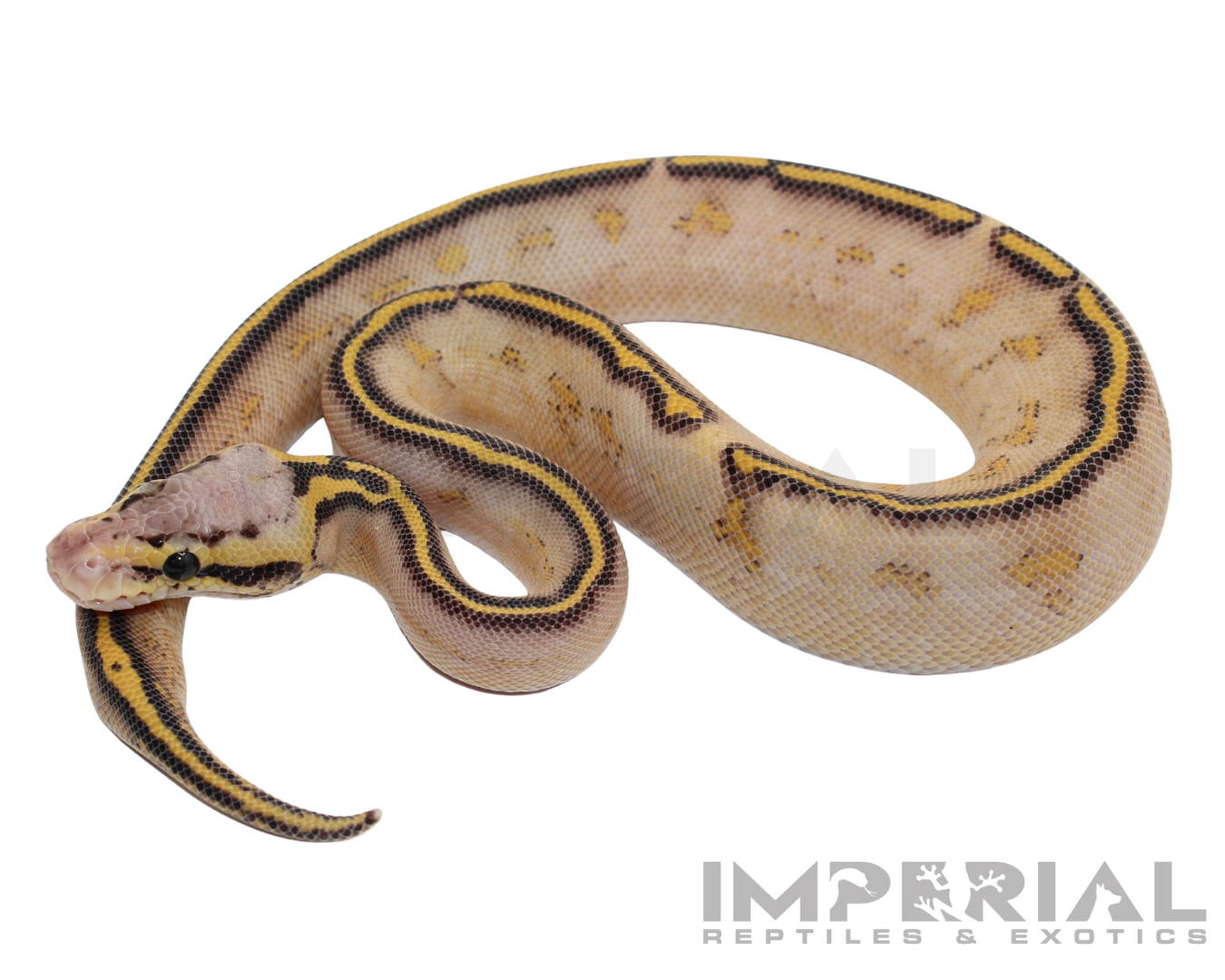
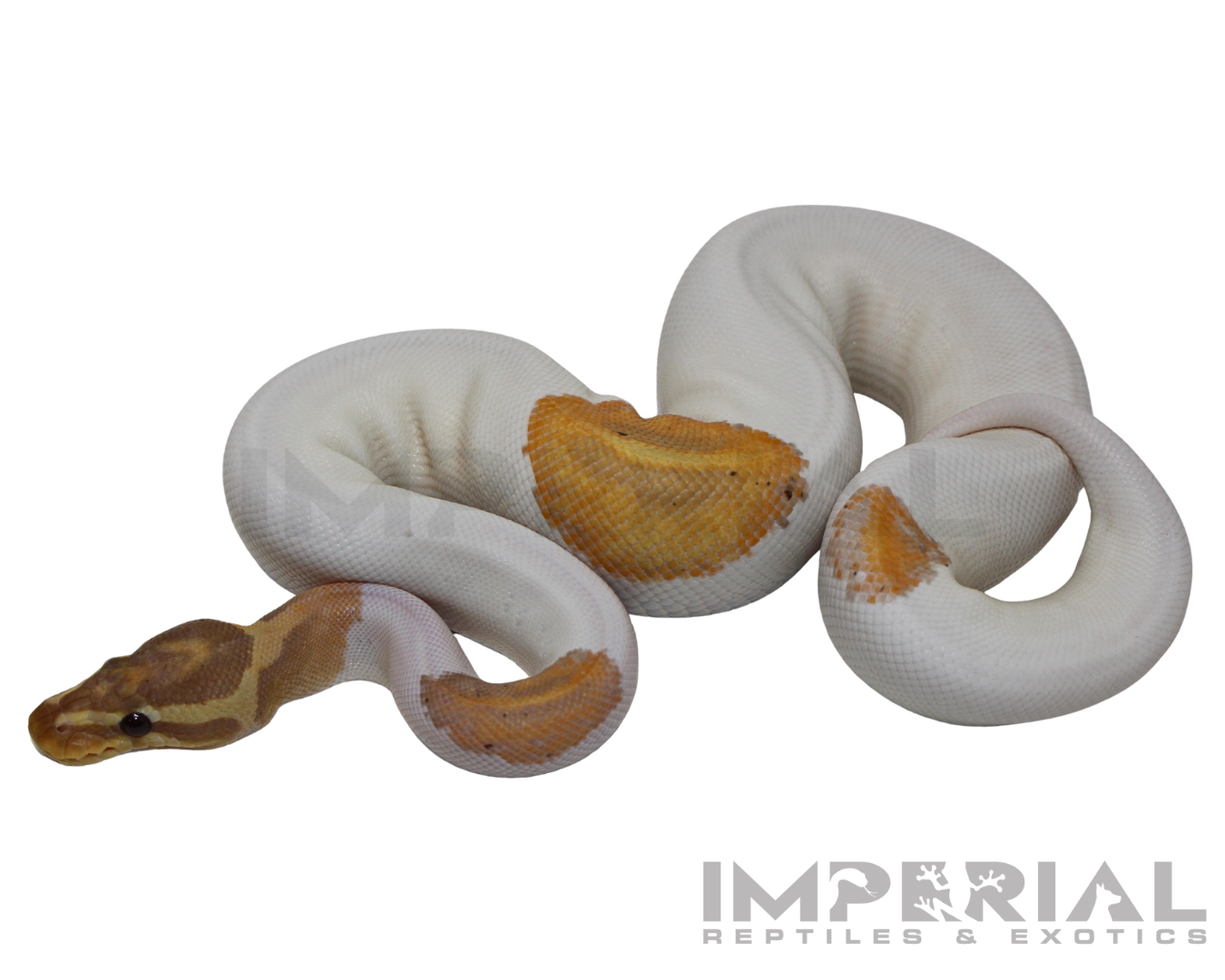
Exoticmorphs is a Knoxville, TN-based retailer specializing in high-quality, captive-bred reptile morphs. The Pinstripe Pied Ball Python is a visually striking morph that combines the dominant Pinstripe pattern with the recessive Piebald gene. This pairing creates a clean, high-contrast animal with a unique aesthetic. This specific juvenile is available for $219.99 with same-day shipping.
Reviewed by Blake Hensley, Field Tester at Exoticmorphs. 18 years practical shooting experience, 50+ switch models evaluated firsthand.
Last updated: April 2026
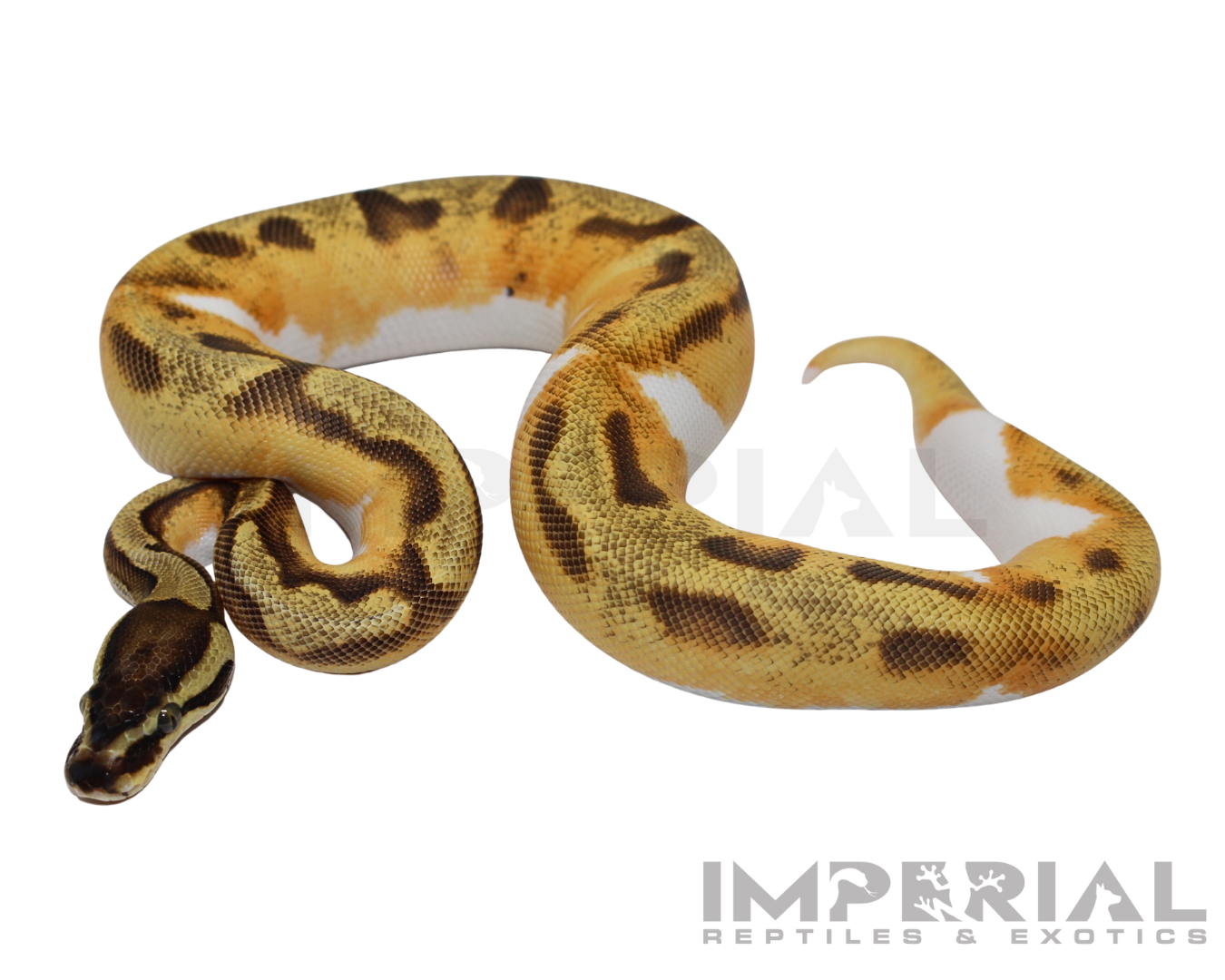
Having handled countless ball python morphs over the years, from common normals to high-end designer combos, I can tell you the Pinstripe Pied holds a special place. It’s not just another pattern; it’s a study in genetic artistry. The Pinstripe gene simplifies and elongates the typical dorsal pattern into clean, thin lines, while the Pied gene introduces random patches of pure white, creating a dramatic, high-contrast canvas. No two animals are exactly alike, which is a big part of the appeal. This isn’t a mass-produced item; it’s a living piece of natural variation.
What Are the Specifications of This Pinstripe Pied Ball Python?
| Specification | Detail |
|---|---|
| Product Type | Live Reptile – Ball Python (Python regius) Morph |
| Material (Genetics) | Combination of Dominant Pinstripe and Recessive Piebald (Pied) |
| Manufacturing (Breeding) | Captive-Bred and Born (CBB) in the USA |
| Finish (Pattern/Color) | Clean pinstripe dorsal lines with variable white Piebald patches |
| Hardness/Quality (Health) | Vet-checked, established feeder, excellent body condition |
| Compatibility (Housing) | Standard ball python enclosure requirements (20-40 gal for adult) |
| Installation/Usage (Care) | Beginner to intermediate reptile keeper level |
| Weight | Approximately 80-120 grams (juvenile) |
| Dimensions (Length) | Approximately 14-18 inches (juvenile) |
| Country of Origin | United States |
| Condition | Healthy, feeding on frozen/thawed pinky or fuzzy mice |
| SKU | EM-BP-PINPIED-J |
What Makes the Pinstripe Pied Morph Stand Out?
When you’re looking at a pinstripe pied ball python, you’re seeing two distinct genes working together. The Pinstripe gene is dominant, meaning it only needs one copy to be visually expressed. It “cleans up” the busy, alien-head pattern of a normal ball python into those signature thin, racing stripes down the back. The Pied gene is recessive, requiring two copies for the full visual effect—those stunning white patches where pigmentation is completely absent. When combined, the dark, clean pinstripes often run directly into or are dramatically interrupted by bright white fields. It creates a modern, graphic look that’s highly photogenic. This is different from a pinstripe het pied ball python, which carries one copy of the pied gene but looks like a normal pinstripe, or a banana pinstripe pied ball python which adds a third gene for yellow coloration.
Who Is This Snake For?
Buy it if: You’re a collector who appreciates clean, high-contrast patterns. You want a morph that’s a proven genetic combo, not an experimental project. You’re a keeper moving past basic single-gene morphs and want an eye-catching display animal without the price tag of a five-gene super animal. You like the predictability of the Pinstripe pattern paired with the surprise element of Pied patch placement.
Skip it if: You are an absolute first-time snake owner who might be overwhelmed by a morph-specific animal (consider a normal or single-gene like a Pastel first). You are specifically breeding for other recessive traits and don’t want the Pied gene in your projects. You are looking for extremely bright yellow or orange coloration—in that case, check out our Snakes Ball Pythons category for morphs like the Pastel Pinstripe Pied Ball Python or Albino Pinstripe Pied Ball Python.
Pros and Cons of the Pinstripe Pied Ball Python
Pros:
- ✅ Striking Visuals: The combination of linear pinstripes and random white patches is consistently impressive.
- ✅ Proven Genetics: Both Pinstripe and Pied are well-understood, stable genes with no known health defects.
- ✅ Good Value Entry Point: For a double-gene morph, especially one involving a recessive trait like Pied, this price is very accessible.
- ✅ Unique Individuality: No two pied patterns are the same, ensuring your animal is one-of-a-kind.
- ✅ Breeding Potential: A visual Pied animal guarantees it carries two copies of the gene, making it a solid foundation for future Pied projects.
Cons:
- ❌ Pattern Variation: Some buyers prefer symmetry; the Pied gene’s randomness means the pattern can be lopsided. If you prefer predictable patterns, a standard pinstripe ball python might be a better fit.
- ❌ Not the Brightest: The base color tends to be brown/black. If you crave vibrant yellows, look at combos involving Pastel or Banana.
- ❌ Recessive Gene Complexity: For breeders, working with recessive genes requires more long-term planning than dominant ones.
How Does It Compare to Other Options?
| Feature | Exoticmorphs Pinstripe Pied | Budget Import Morph (e.g., $80 ‘Pinstripe’ from bulk wholesaler) | Premium Designer Combo (e.g., $250+ Coral Glow Pinstripe Pied) |
|---|---|---|---|
| Material (Genetics) | Guaranteed visual Pied + Pinstripe | Often mislabeled; may be low-quality Pinstripe or not Pied at all | Includes additional genes (e.g., Coral Glow) for enhanced color |
| Quality (Health) | Vet-checked, established feeder, detailed history | Unknown health history, possible parasites, feeding issues common | Typically high health standards, but price reflects extra genes |
| Compatibility (Care) | Same care as any ball python | Same care, but may require rehabilitation | Same care |
| Shipping | Same-day, climate-controlled, discreet from TN | Long transit, often international, high stress on animal | Similar premium shipping |
| Lifespan/Durability | Expected 20-30 year lifespan with proper care | Risk of early failure due to poor start | Expected 20-30 year lifespan |
| Price | $219.99 – Direct value for a confirmed double-gene animal | ~$60-80 – High risk, potentially false genetics | $250+ – Paying for additional genetic traits |
The table shows our position clearly. We’re not the cheapest, and we’re not the most expensive. We offer a verified, healthy animal with accurate genetics at a fair price. The budget option is a gamble with the animal’s welfare, and the premium tier charges for aesthetics beyond the core Pinstripe Pied combo.
Frequently Asked Questions
What is a pinstripe ball python?
A pinstripe ball python is a morph caused by a dominant gene that alters the pattern. Instead of the typical “alien head” blotches along the back, it creates a series of thin, unbroken lines running from head to tail, giving a clean, striped appearance. It’s one of the more popular pattern-altering morphs.
Do pinstripe ball pythons have wobble?
No. The wobble or neurological head tremor is associated specifically with the Spider gene complex (including Spider, Woma, Hidden Gene Woma, and a few others). The Pinstripe gene is not part of this complex and does not cause any neurological issues. Pinstripes are known for being robust and typical in their behavior and coordination.
What is a pied ball python?
A pied ball python, short for piebald, is a recessive morph characterized by large, irregular patches of pure white skin where all dark pigmentation is absent. The rest of the snake retains normal coloration and pattern. The amount of white is random, ranging from a few spots to a mostly white snake. It’s one of the oldest and most beloved ball python morphs.
How big do pied ball pythons get?
Pied ball pythons grow to the same size as any other ball python morph. Adults typically reach 3 to 5 feet in length, with females generally being larger and thicker-bodied than males. Their growth rate and final size are determined by feeding regimen and genetics, not by the Pied gene itself. A well-cared-for adult will need a 40-gallon breeder tank or equivalent enclosure as a minimum.
What’s the difference between a pinstripe pied and a pinstripe piebald ball python?
There is no difference. “Pied” and “Piebald” are used interchangeably in the ball python hobby to describe the same recessive gene that causes the white patches. Pinstripe piebald ball python is just the full name. You might also see pinstripe pied royal python, which uses the species’ European common name, “royal python.” They all refer to this same animal.
Can I breed this pinstripe pied with other morphs?
Absolutely. This animal carries two visual genes: Pinstripe (dominant) and Pied (recessive). Breeding it to a normal ball python would produce offspring that are all 100% heterozygous (het) for Pied and have a 50% chance of being visual Pinstripes. Breeding it to another visual Pied would guarantee all Pied offspring. It’s an excellent foundation for projects involving Albino, Pastel, or other genes to create combos like an albino pinstripe pied ball python or pastel pinstripe pied ball python.
Where can I buy a pinstripe pied ball python online?
You can buy this specific pinstripe pied ball python right here at Exoticmorphs (exoticmorphs.com). We specialize in providing healthy, accurately-identified captive-bred reptiles with transparent pricing and reliable, same-day shipping from our facility in Knoxville, TN.
Ready to Own This Unique Snake?
✅ In stock — ready to ship today
✅ Same-day shipping from Knoxville, TN
✅ Discreet packaging for animal safety and privacy
✅ 30-day health guarantee upon arrival
✅ Secure checkout with multiple payment options
This juvenile Pinstripe Pied represents a fantastic opportunity to add a proven, eye-catching double-gene morph to your collection without a premium price tag. You’re getting a healthy animal with genetics we stand behind, shipped with care directly from our team to your doorstep.
Browse more in our collection: Snakes Ball Pythons | Full Shop
About this

Reviews
There are no reviews yet.