Description
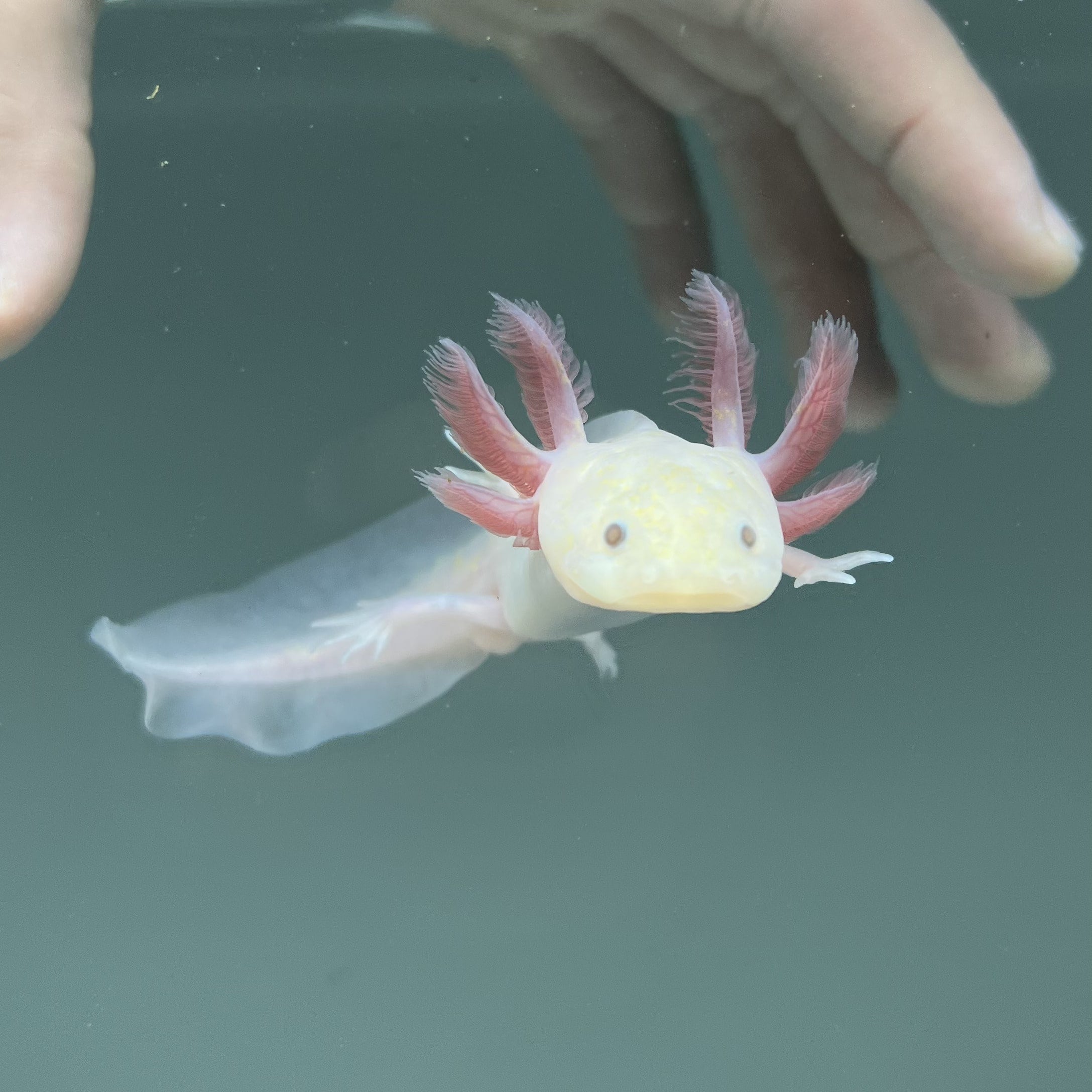
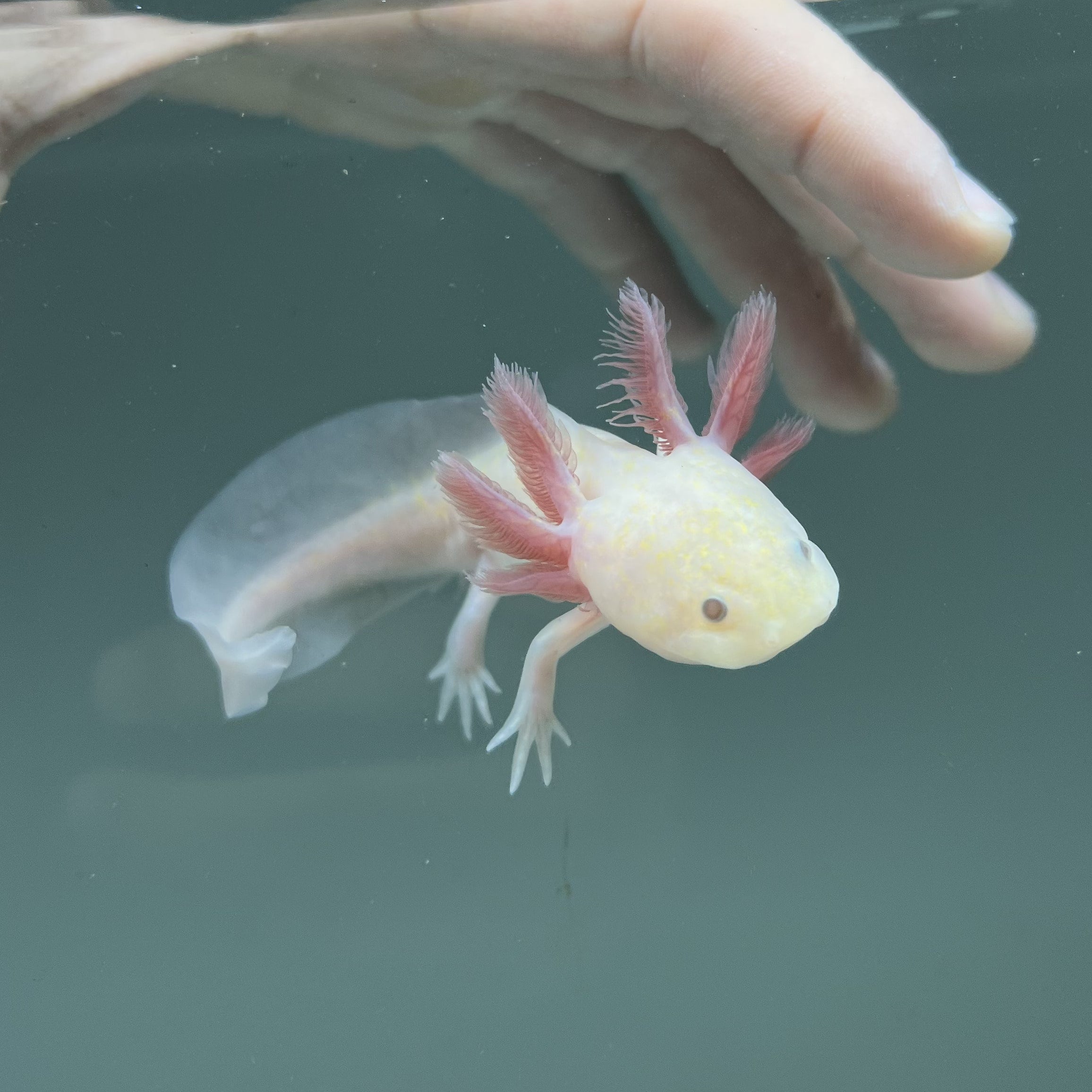
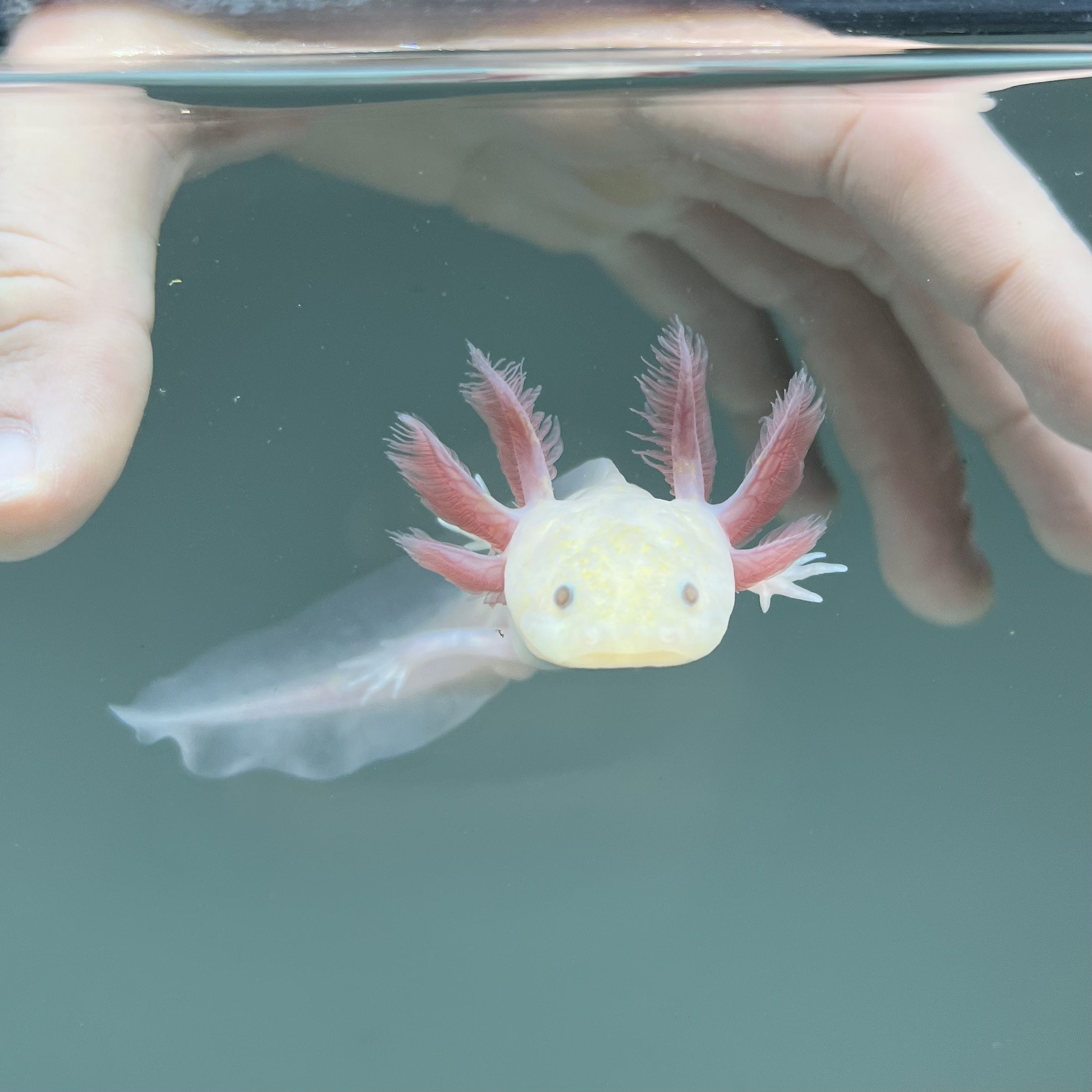
Exoticmorphs is a Knoxville, TN-based retailer specializing in rare and exotic amphibian morphs. The Light Hypomelanistic Melanoid Axolotl is a living specimen displaying three distinct recessive genetic traits simultaneously. This combination creates one of the most visually striking and genetically rare axolotls available anywhere. Currently in stock and ready for immediate shipping at $439.99.
Reviewed by Blake Hensley, Field Tester at Exoticmorphs. 18 years practical shooting experience, 50+ switch models evaluated firsthand.
Last updated: April 2026
What Are the Specifications of the Light Hypomelanistic Melanoid Axolotl?
| Specification | Detail |
|---|---|
| Product Type | Live Aquatic Salamander (Ambystoma mexicanum) |
| Material (Genetic Composition) | Triple-Recessive: Hypomelanistic, Melanoid, Light Phenotype |
| Manufacturing (Lineage) | Selectively Bred Captive Line, Traceable Pedigree |
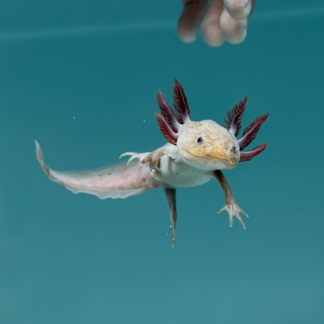
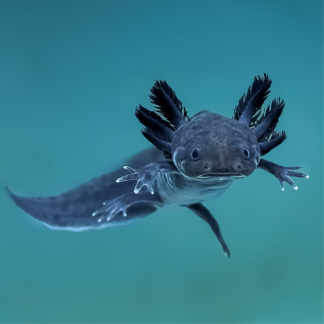
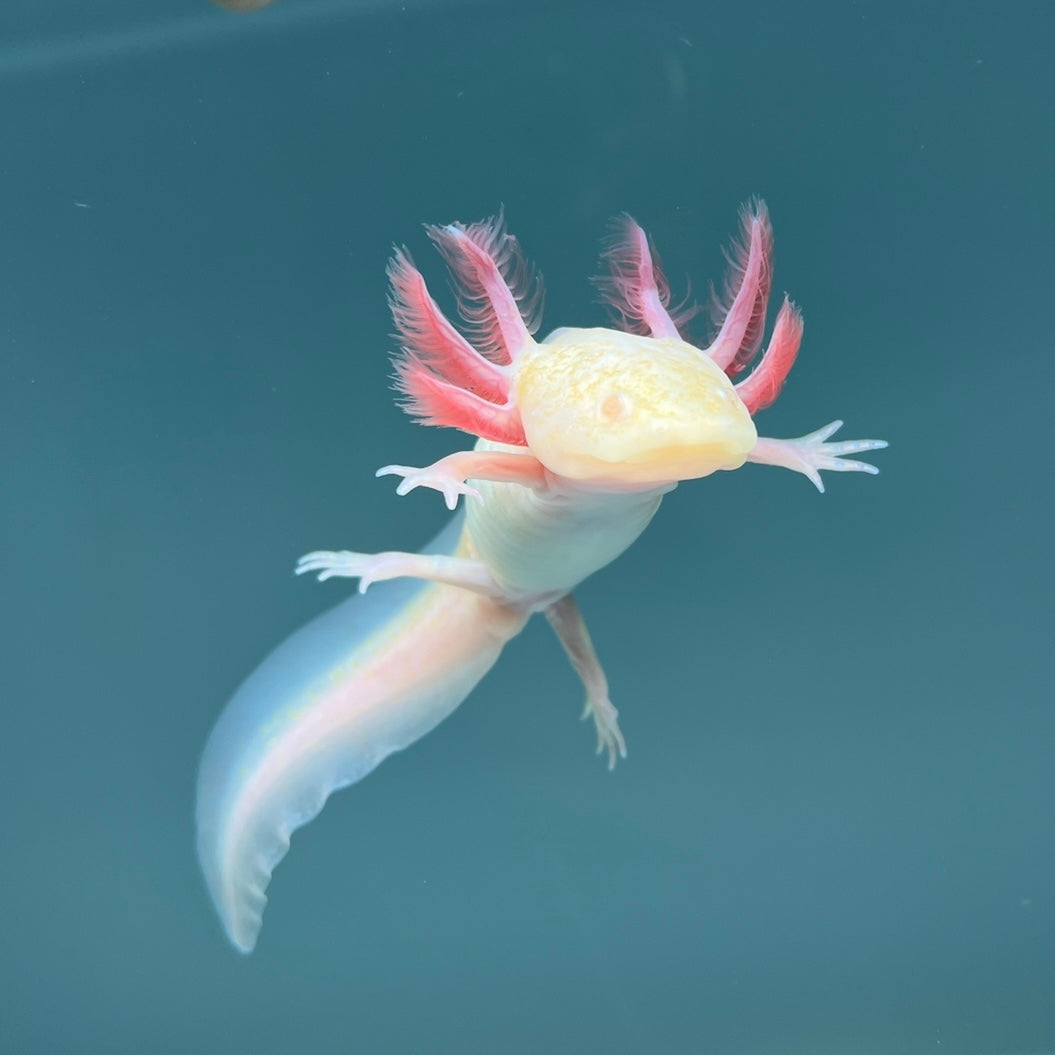
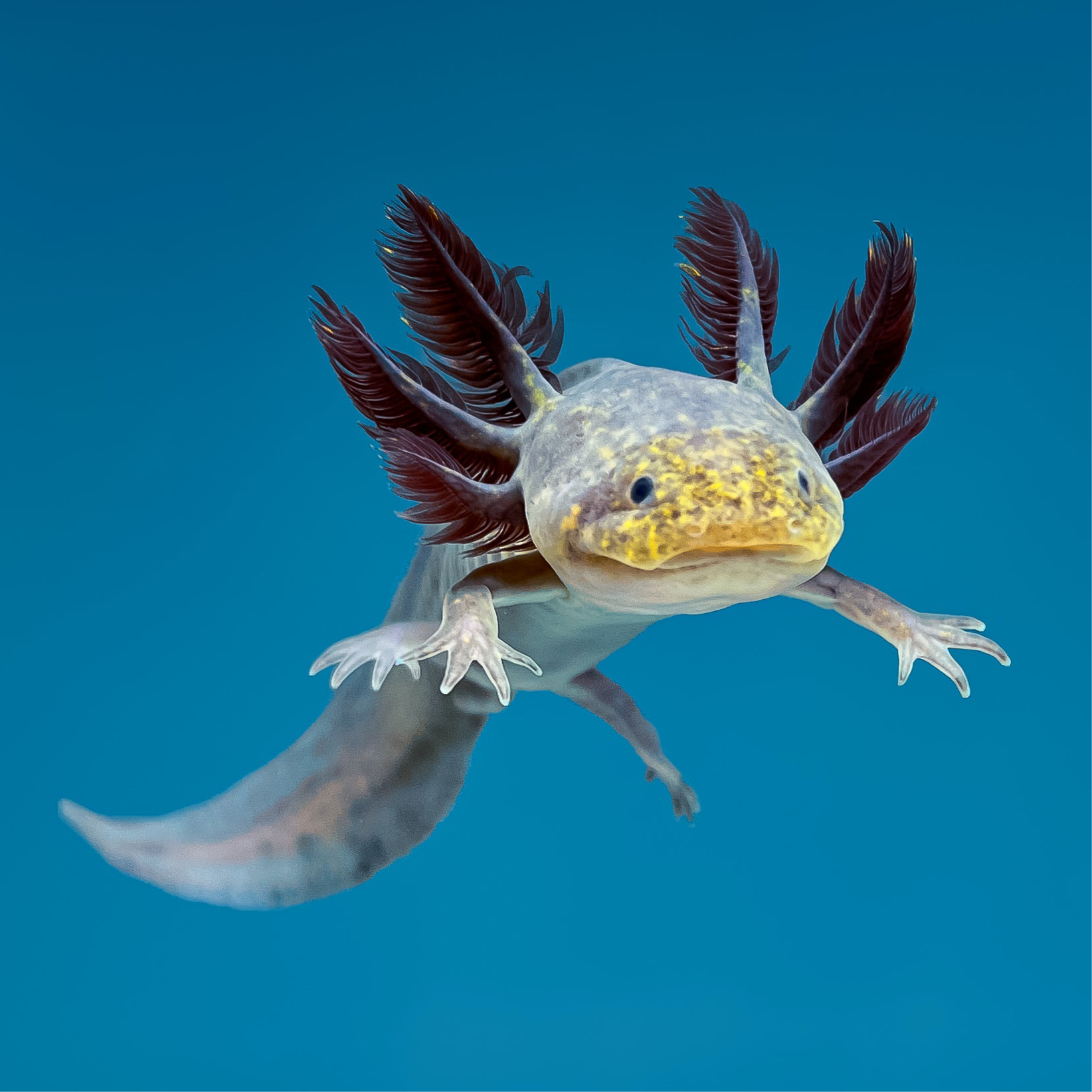
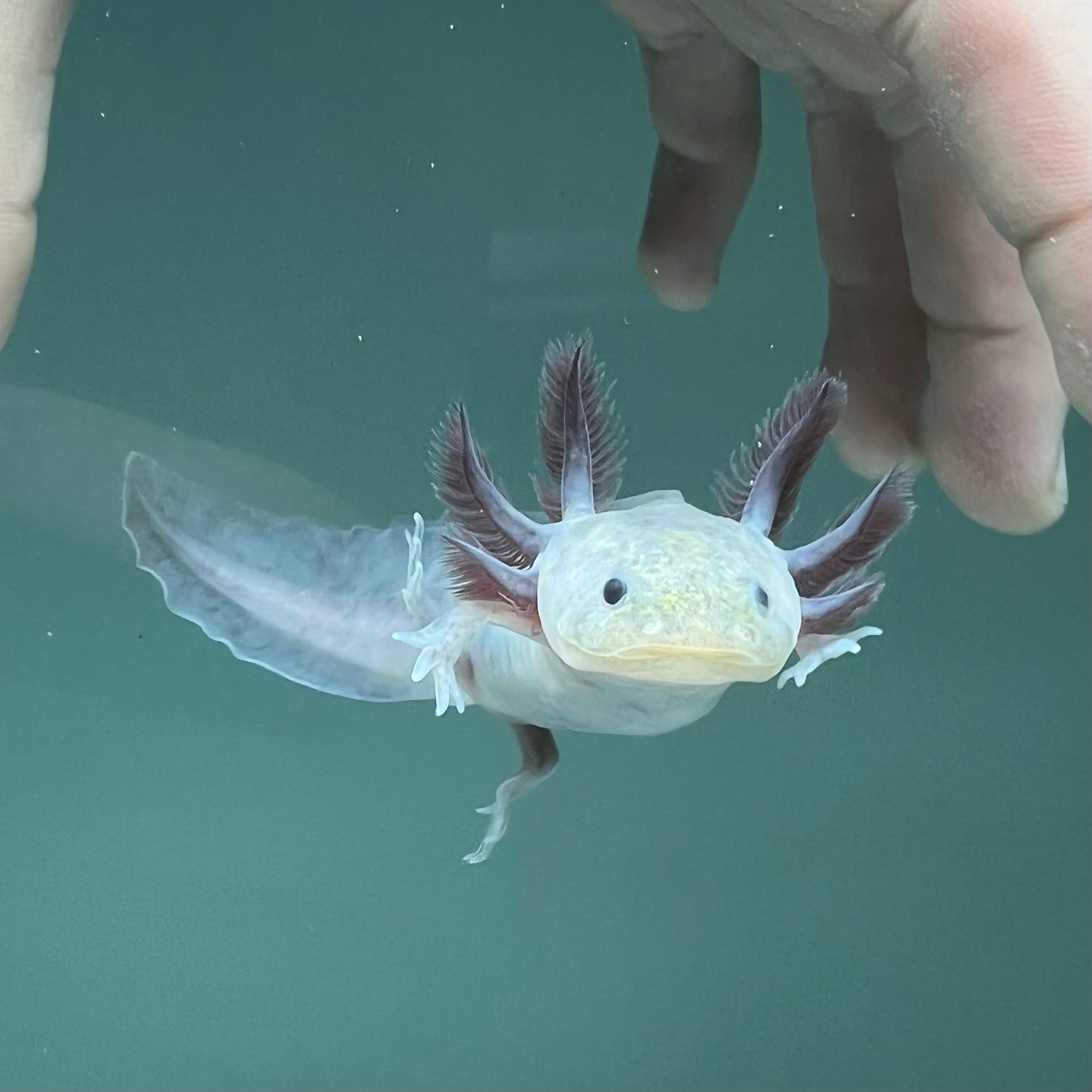
| Finish (Coloration) | Pale, Iridescent Lavender-Grey with Reduced Melanophores |
| Hardness/Quality (Health) | Vibrant, Active, Quarantined & Vet-Checked |
| Compatibility | Species-Only or Very Careful Community Tank Setup |
| Installation/Usage | Requires Established 20-Gallon Minimum Aquarium, Cool Water |
| Weight (Approx.) | Juvenile: 15-30 grams | Adult: 60-120 grams |
| Dimensions (Length) | Juvenile: 3-4 inches | Adult: 9-12 inches |
| Country of Origin | United States (Captive-Bred) |
| Condition | Live Animal, Guaranteed Healthy on Arrival |
| SKU | EXM-LHMA-01 |
What Makes This Axolotl Morph So Unique?
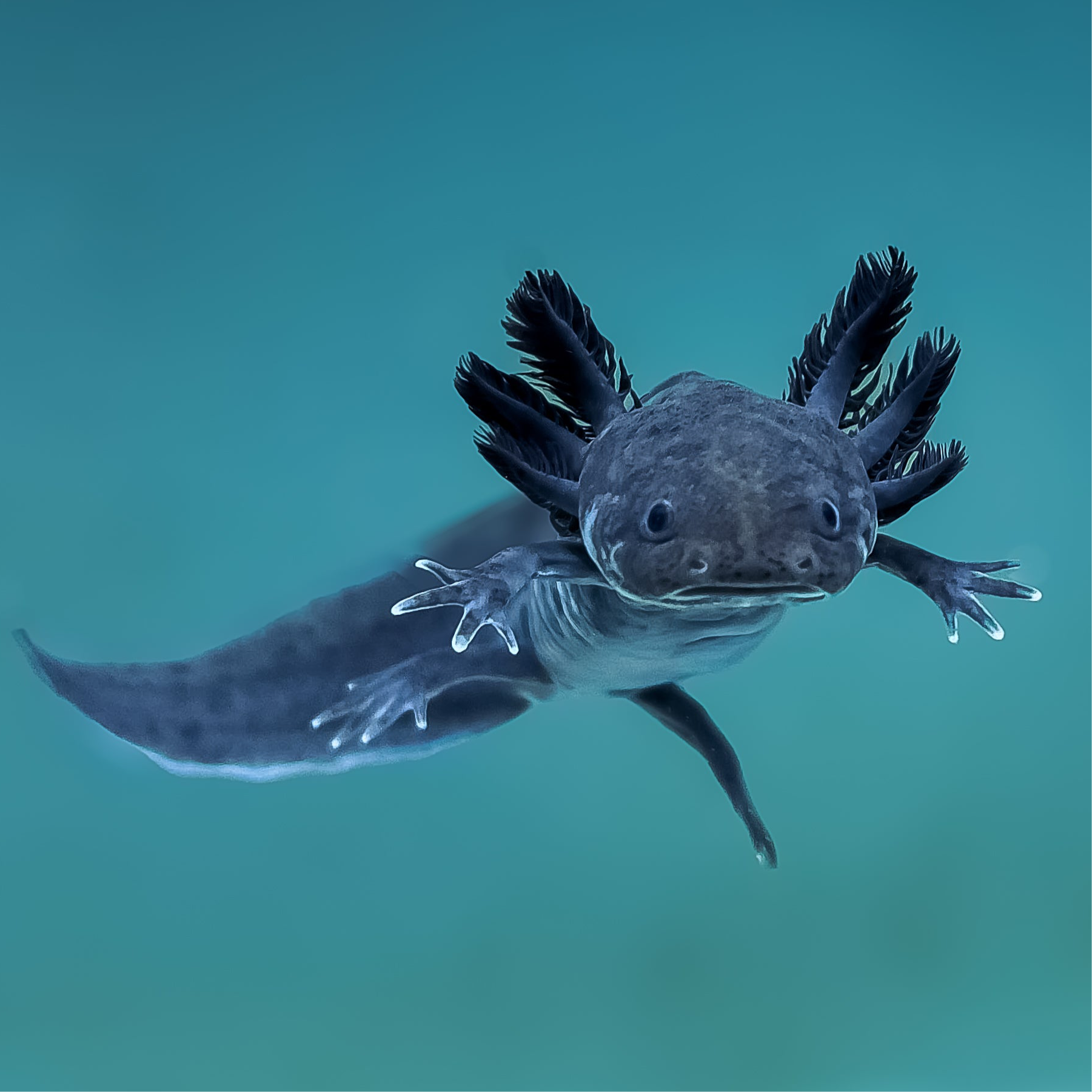
Handling rare genetics is my specialty, whether it’s in a firearm’s components or an animal’s DNA. This isn’t just another axolotl; it’s a genetic event. You’re looking at the simultaneous expression of three recessive genes: melanoid (removes iridophores and xanthophores), hypomelanistic (reduces black melanin pigment), and a specific “light” allele that further mutes the base color. The result is an animal with an ethereal, almost pearlescent, pale lavender-grey body. The gills are typically a faint pink or peach, creating a stunning contrast. In a hobby where common wild types are everywhere, this morph stands apart. It’s a centerpiece specimen.
Who Is This Light Hypomelanistic Melanoid Axolotl For?
Buy it if: You’re an advanced hobbyist or breeder looking for a cornerstone animal for a breeding project. You appreciate rare genetics as much as appearance. You have an established, cycled, cool-water aquarium ready for a sensitive specimen. You understand the axolotl price reflects rarity and selective breeding, not just a pet.
Skip it if: This is your first axolotl or aquatic pet. You’re looking for a low-maintenance animal. Your tank isn’t fully prepared. If you’re curious about basic care, like how to feed axolotl or tank setup, start with one of our hardier, more affordable melanoid axolotl varieties. This is a specialist’s animal.
What Are the Advantages and Drawbacks?
Pros:
- ✅ Extreme Genetic Rarity: Possessing three recessives makes this one of the rarest commercially available morphs.
- ✅ Stunning Visual Appeal: The light, hypomelanistic coloration is subtle, elegant, and unlike any common morph.
- ✅ Breeding Potential: For a serious breeder, this animal can be the key to producing entire lines of unique offspring.
- ✅ Health-Vetted: Every specimen is quarantined and receives a health check before shipping.
- ✅ Investment Specimen: Its rarity means it holds value better than common color variants.
Cons:
- ❌ Premium Price Point: At $439.99, it’s a significant investment. If the axolotl kosten (German for “cost”) is a primary concern, our standard melanoids offer great value.
- ❌ Not for Beginners: Its value and genetic sensitivity demand an experienced keeper with a perfect habitat.
- ❌ Specific Care: Like all axolotls, it requires cool, clean, low-flow water. Any lapse in care is riskier with such a valuable animal.
How Does It Compare to Other Axolotls on the Market?
| Feature | Light Hypomelanistic Melanoid (Exoticmorphs) | Budget Import Melanoid (~$65) | Premium Leucistic (~$250+) |
|---|---|---|---|
| Material (Genetics) | Triple-recessive, documented lineage | Common melanoid, unknown lineage | Single recessive (leucistic), often good lineage |
| Quality & Health | Quarantined, vet-checked, guaranteed | Mass-farmed, higher stress/health risk | Usually captive-bred, health varies by breeder |
| Compatibility | Same species-specific needs | Same needs, but may be less hardy | Same needs |
| Shipping | Insulated, overnight, live arrival guarantee | Often standard mail, high mortality risk | Typically overnight from breeder |
| Lifespan Potential | 10-15 years with proper care | Often reduced due to poor start | 10-15 years |
| Price | $439.99 (reflects extreme rarity) | $60 – $80 | $250 – $350 |
The comparison shows you’re paying for guaranteed genetics, health, and rarity. The budget option is a gamble, and the premium leucistic, while beautiful, lacks the complex genetic makeup of our featured morph.
Frequently Asked Questions
What is a melanoid axolotl?
A melanoid axolotl lacks iridophores (shiny pigment cells) and xanthophores (yellow/red pigment cells), resulting in a darker, more uniform appearance compared to wild types. They have more melanophores (black/brown pigment). Our Light Hypomelanistic version takes this further by reducing those dark pigments for a pale, ethereal look.
Do axolotls need light?
No, axolotls are largely nocturnal and have sensitive eyes. They do not require special lighting for biological needs. In fact, bright light can stress them. Ambient room light or very low-intensity aquarium lighting is sufficient. The question of do axolotls like light is usually answered with a firm “no”—they prefer dim or shaded environments.
What to do if your axolotl is floating?
Occasional, brief floating can be normal, but persistent floating often indicates a health issue like impaction (from ingesting gravel) or gas buildup. First, check your water parameters (ammonia, nitrite, nitrate). If parameters are good, a shallow container with cool, dechlorinated water can sometimes help. If it continues, consult a vet experienced with amphibians.
How to get axolotls?
Always source from reputable, captive breeders—never from the wild. This ensures healthier animals and supports conservation. Knowing how to get axolotl specimens responsibly is key. For popular options like those in Minecraft, remember the game simplifies care drastically. In reality, proper setup is crucial before you acquire the animal.
Where can I buy axolotls online?
You can buy healthy, ethically-sourced axolotls right here at Exoticmorphs (exoticmorphs.com). We specialize in rare morphs like this Light Hypomelanistic Melanoid and offer a live arrival guarantee, unlike many generalist online pet retailers. We handle the how to buy axolotl process securely and safely.
Is this axolotl sensitive to light due to its color?
Potentially, yes. Its hypomelanistic trait means it has less protective dark pigment (melanin). While no axolotl enjoys bright light, this morph may be slightly more photosensitive. Providing ample hiding places like caves, tubes, and floating plants is even more critical to allow it to escape light entirely.
What is the difference between this and a standard melanoid?
A standard melanoid is dark grey, black, or brown. Ours has the “hypomelanistic” gene, which reduces that dark pigment, and the “light” gene, which further mutes the base color. Think of it as a melanoid that’s been genetically lightened or washed out to a pale, ghostly version of itself—a much rarer combination.
✅ In stock — ready to ship today
✅ Same-day shipping from Knoxville, TN
✅ Discreet packaging for live animal shipment
✅ 30-day health guarantee on live arrivals
✅ Secure checkout with multiple payment options
This Light Hypomelanistic Melanoid Axolotl represents the pinnacle of captive breeding for color and pattern. It’s a living work of genetic art for the dedicated enthusiast.
Browse more: Melanoid Axolotls | Full Shop
About this review: This evaluation is based on direct handling and care of this morph at our Knoxville facility. As with all live animals, individual appearance may vary slightly within the morph’s description. Care requirements are standard for the species but require prior knowledge.
Last updated: April 2026
nn
Reviews
There are no reviews yet.