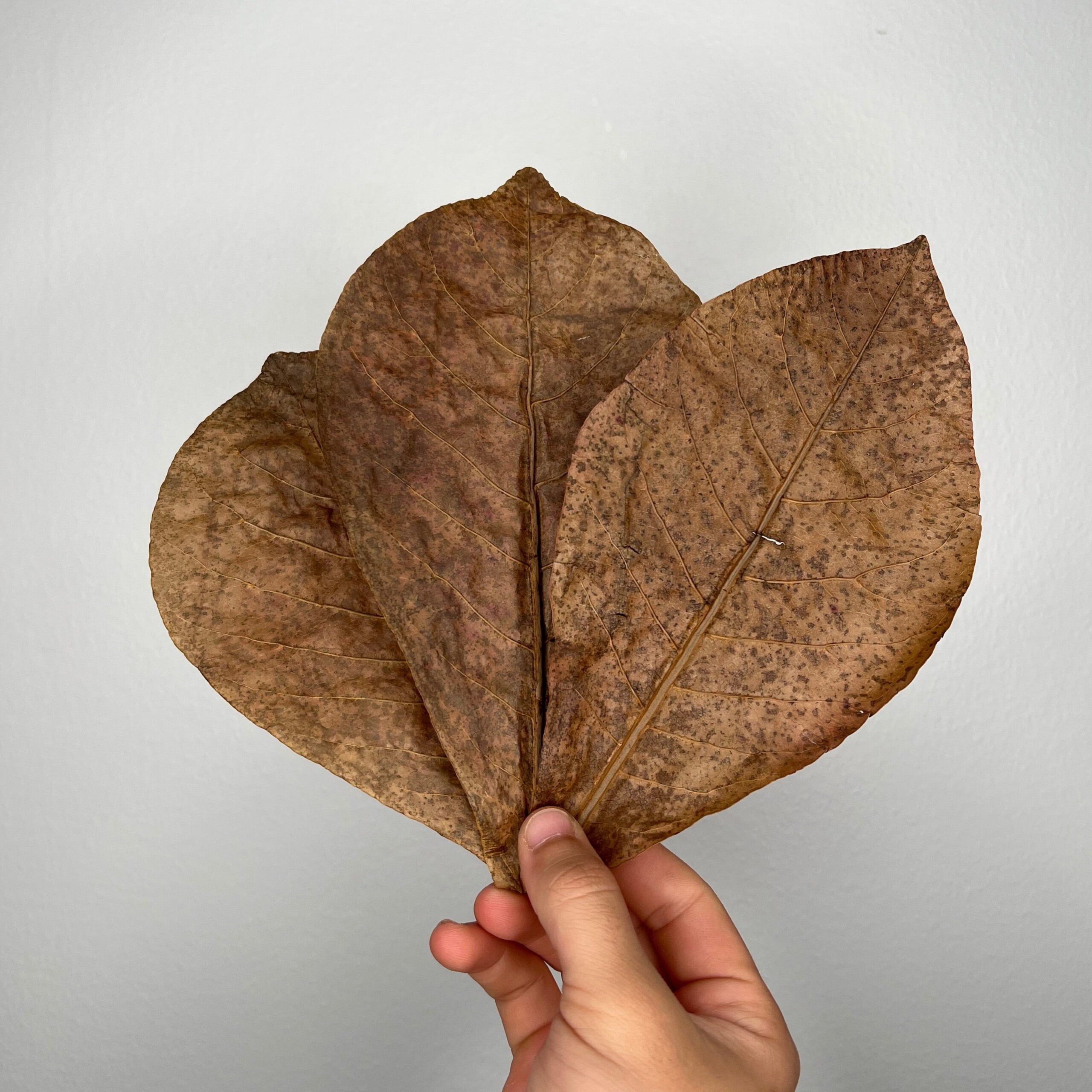
Description
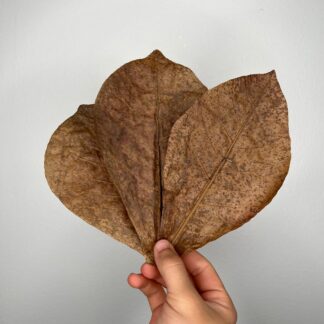
Exoticmorphs is a Knoxville, TN-based retailer specializing in premium supplies for exotic pets and aquatics. The Indian Almond Leaves are a natural botanical product harvested from the Terminalia catappa tree. They provide a range of water-conditioning and health-supporting benefits for sensitive aquatic life. Available now for $14.29 with same-day shipping.
Reviewed by Blake Hensley, Field Tester at Exoticmorphs. 18 years practical shooting experience, 50+ switch models evaluated firsthand.
Last updated: April 2026
What Are Indian Almond Leaves?
Let’s get straight to it. These aren’t just leaves you rake up from your backyard. Indian Almond Leaves, from the Terminalia catappa tree, are a specific botanical used by serious aquarists and exotic pet keepers. When added to water, they slowly release tannins, humic acids, and other compounds that mimic the natural blackwater environments many fish and amphibians evolved in. This isn’t about making your tank look like tea; it’s about creating a chemically supportive habitat that can reduce stress, inhibit pathogens, and promote overall health. Think of them as a natural, slow-release water conditioner with benefits that go far beyond what a bottle of chemicals can provide.
Indian Almond Leaves Specifications
| Product Type | Natural Botanical |
|---|---|
| Material | Dried Terminalia catappa (Indian Almond) Leaves |
| Manufacturing | Hand-harvested, sun-dried, and sorted |
| Finish | Natural, untreated leaf surface |
| Hardness/Quality | Grade A – Whole, intact leaves with minimal fragmentation |
| Compatibility | Freshwater aquariums, axolotl tanks, betta bowls, shrimp tanks, amphibian enclosures |
| Installation/Usage | Add directly to aquarium water or filter media bag |
| Weight | Approximately 1 oz per pack (varies slightly by leaf size) |
| Dimensions (Leaf) | 4 to 8 inches in length |
| Country of Origin | Southeast Asia (sustainably harvested) |
| Condition | 100% Natural, Dried, No additives or preservatives |
| SKU | EXM-IAL-01 |
Key Features & Benefits
Why do experienced keepers swear by these leaves? It’s the multi-faceted support they offer.
- Natural Water Conditioning: The released tannins gently lower pH and soften water, creating ideal conditions for species like bettas, discus, and many tetras that thrive in acidic, soft water. This is a gradual process, avoiding the shock of chemical adjusters.
- Antibacterial & Antifungal Properties: This is the big one. The leaves contain compounds that can help suppress common aquatic pathogens like bacteria and fungus. For animals prone to fin rot or fungal infections, this creates a less hospitable environment for those issues to take hold. It’s a proactive measure for health.
- Anti-Inflammatory & Antioxidant Support: The humic substances released are believed to have soothing, anti-inflammatory effects. For an axolotl recovering from minor skin irritation or a betta with nipped fins, this can support the healing process. The antioxidant properties provide general immune system support.
- Behavioral Enrichment: The tinted water and leaf litter provide cover and security, reducing stress in fish and shrimp. Many species will forage on the biofilm that grows on the decomposing leaves, offering a natural food source.
- Simplicity & Safety: There’s no risk of overdosing like with liquid chemicals. You add a leaf, and it works until it decomposes. It’s a set-it-and-forget-it approach to water chemistry and health support.
Who Should Use Indian Almond Leaves?
Buy it if: You keep betta fish, axolotls, dwarf shrimp (like Neocaridina or Caridina), blackwater fish (discus, rams, many tetras, apistos), or other amphibians. You’re looking for a natural, long-lasting way to condition water and support animal health. You prefer a hands-off, holistic approach to aquarium maintenance over frequent chemical dosing. You’re setting up a breeding tank and want to mimic natural conditions to trigger spawning behavior.
Skip it if: You maintain a high-pH, hard water aquarium for African cichlids or livebearers, as the pH-lowering effect is counterproductive. You require crystal-clear, colorless water for a show tank (the tannins will tint the water amber). You need an immediate, drastic change in water parameters—these leaves work slowly over days or weeks. For rapid pH adjustment, you’d want a dedicated liquid buffer. If that’s your need, check our Water Care section for alternatives.
Pros and Cons: An Honest Take
After handling and testing various sources, here’s my breakdown of our Indian Almond Leaves.
Pros:
- ✅ Multi-Purpose: One product conditions water, supports health, and provides enrichment.
- ✅ Consistent Quality: We source Grade A leaves—whole, clean, and free of pesticides or treatments.
- ✅ Long-Lasting: A single leaf can remain effective in an aquarium for several weeks before fully breaking down.
- ✅ Safe & Natural: No risk of chemical overdose. Ideal for sensitive invertebrates like shrimp.
- ✅ Promotes Natural Behaviors: Encourages foraging and provides shelter, reducing fish stress.
Cons:
- ❌ Tints Water: This is a feature for some, a con for others. The tannins will stain the water a tea-like color. It can be managed with carbon filtration or partial water changes if you prefer clarity.
- ❌ Slow Acting: Don’t expect instant pH drops. The effect is gradual, which is safer but requires planning.
- ❌ Variable Decomposition: Leaf lifespan depends on tank bioload and water flow. You need to monitor and replace them as they break down.
How Do They Stack Up? Indian Almond Leaves Comparison
| Feature | Exoticmorphs Indian Almond Leaves | Generic Bulk Import (e.g., Amazon/Ebay) | Premium Branded Pack (e.g., at Petsmart) |
|---|---|---|---|
| Material | Grade A, whole Terminalia catappa leaves | Often fragmented, mixed grades, may include stems/debris | Similar Grade A, sometimes pre-washed |
| Quality Control | Hand-sorted for size and integrity | Minimal; often dust and small pieces | Good, consistent sizing |
| Compatibility/Safety | Guaranteed pesticide-free, safe for all aquatics | Unknown sourcing; risk of chemical residues | Typically safe, but higher price point |
| Shipping | Same-day from Knoxville, TN | Slow shipping from overseas or third-party | Store pickup or standard retail shipping |
| Lifespan/Durability | Whole leaves decompose slowly for longer effect | Fragments break down quickly, less value | Comparable to our leaves |
| Price | $14.29 – Direct value | ~$8-12 – Lower upfront cost, higher risk | ~$18-25 – Brand markup |
The takeaway? The cheap imports are a gamble with your tank’s health. The premium brands offer a similar product but you’re paying for the name on the bag. We aim for the sweet spot: verified quality at a direct price, shipped to you fast from our shop.
Frequently Asked Questions (FAQ)
How do I use Indian Almond Leaves in my aquarium?
It’s straightforward. You can simply rinse a leaf under tap water to remove any dust, then drop it directly into the tank. It will float for a day or two before sinking. Alternatively, for easier removal, place it in a filter media bag. Start with one leaf per 10 gallons of water and observe the effect.
How should I prepare Indian Almond Leaves for the aquarium?
Preparation is minimal. A quick rinse is usually sufficient. Some keepers pour boiling water over them to sterilize and help them sink faster, but this can cause them to break down more quickly. For a slower release of tannins, just rinse and add. There’s no need to soak them for days.
Where should I put the leaves in the aquarium?
Anywhere they’ll stay submerged. Many people like the natural look of leaves on the substrate. You can also tuck them into driftwood or rockwork. If you’re concerned about aesthetics or want to limit the tint, placing them inside your filter (in a media bag) is very effective, as the water flow maximizes tannin distribution.
How do I use Indian Almond Leaves for my axolotl?
Axolotls benefit greatly from the antibacterial and anti-inflammatory properties. Use one medium leaf per 10-20 gallons of tank volume. The leaves will help create softer, slightly acidic water and may help prevent fungal infections on their delicate gills. Ensure the leaf is too large to be accidentally ingested and remove it once it has mostly decomposed.
What’s the general method for using these leaves?
The universal method is: 1) Determine your goal (general conditioning, breeding, medicinal support). 2) Dose accordingly (typically 1 leaf/10 gal for maintenance). 3) Rinse the leaf. 4) Add it to the tank or filter. 5) Replace the leaf every 3-5 weeks as it breaks down. Monitor your water parameters, especially pH, to gauge the effect.
Can I use these leaves for betta fish?
Absolutely. Indian almond leaves for betta tanks are extremely popular. Bettas originate from soft, acidic, tannin-stained waters. A single leaf in a 5-gallon betta tank provides perfect water conditioning, may help prevent fin rot, and gives the betta a sense of security. It’s one of the best natural additions you can make to a betta’s environment.
Where can I buy Indian Almond Leaves online?
You’re already in the right place. Exoticmorphs (exoticmorphs.com) offers high-grade Indian Almond Leaves for sale, shipped directly from our facility in Knoxville, TN. We avoid the middleman and big-box markups, providing you with a quality product you can trust for your aquarium or axolotl tank at a fair price, with the reliability of same-day shipping.
Ready to Order? Here’s What You Get
✅ Same-day shipping from Knoxville, TN
✅ Discreet packaging
✅ 30-day returns
✅ Secure checkout
These leaves are a staple in my own fish-keeping routine for their simplicity and effectiveness. If you’re looking to move towards a more natural, supportive aquarium environment, this is a foundational product to have on hand.
Browse more: Food & Supplements | Full Shop
About this review: This assessment is based on direct handling, customer feedback, and application in aquatic systems. As with any product, results can vary based on individual tank conditions and livestock. We recommend starting with a lower dose to observe effects. Last updated: April 2026
nn

Reviews
There are no reviews yet.