Description
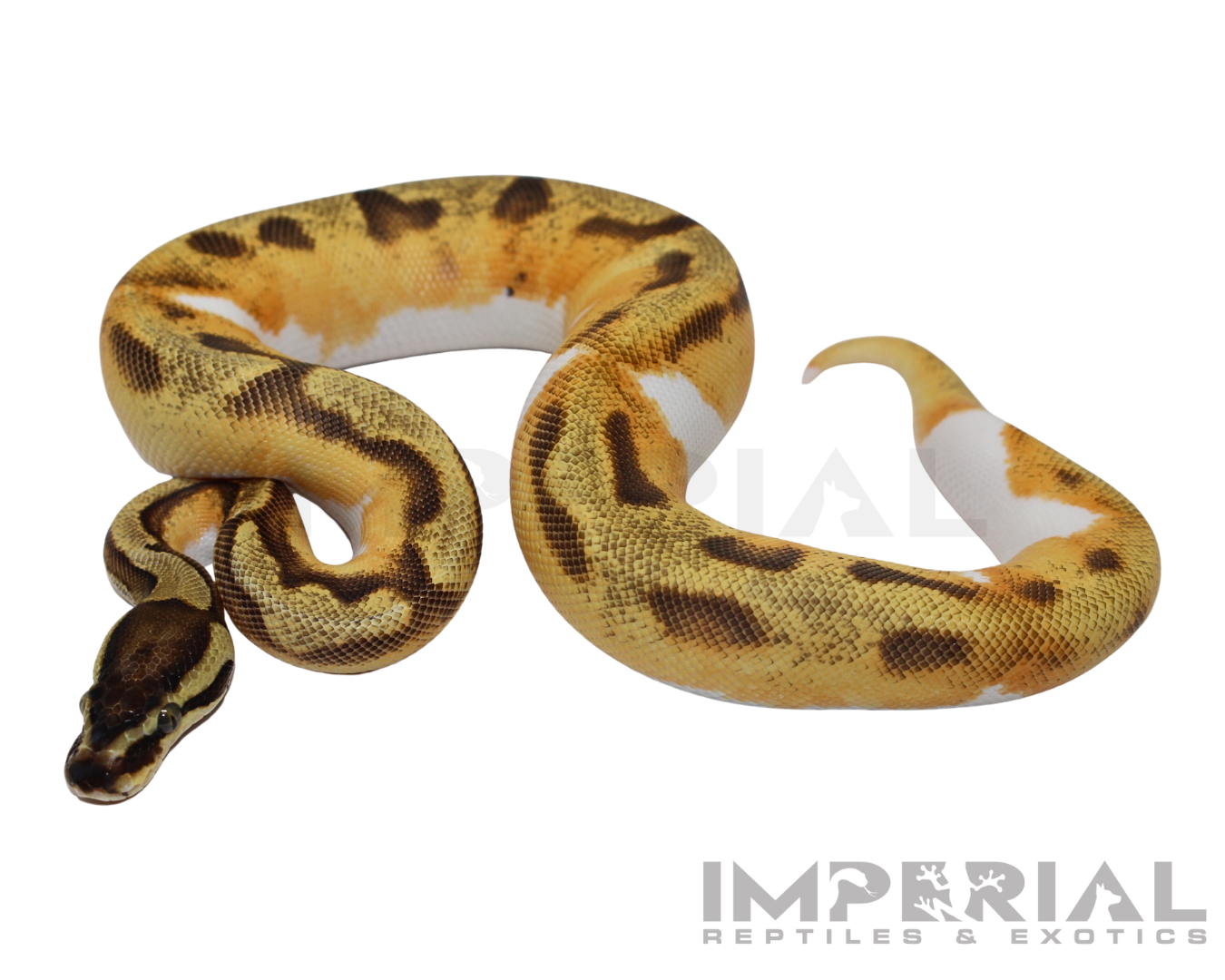
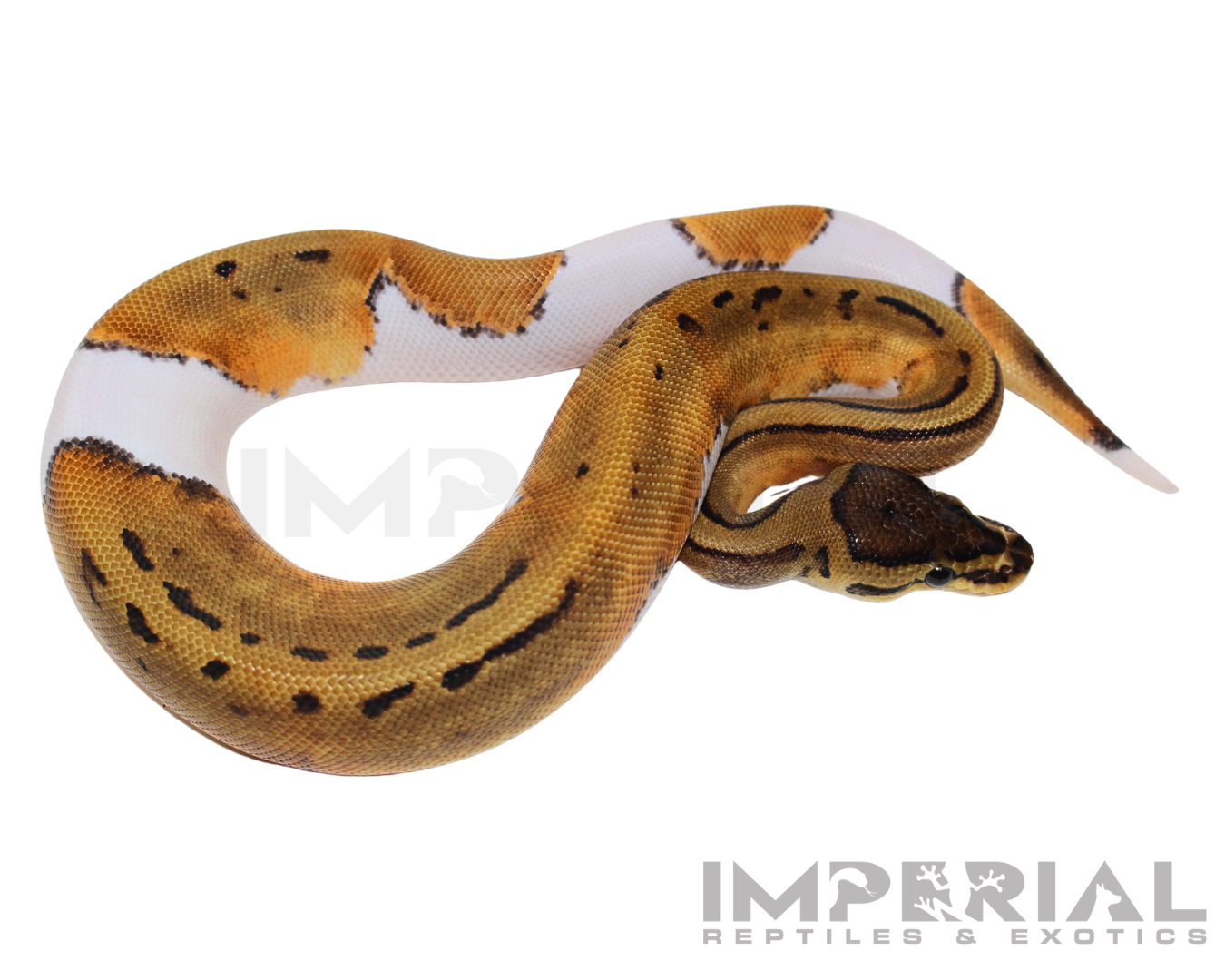
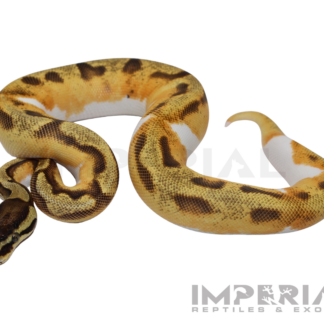
Exoticmorphs is a Knoxville, TN-based retailer specializing in high-quality, captive-bred reptile morphs. The Yellowbelly Enchi Pied Ball Python is a triple-gene morph that combines the clean, high-contrast patterns of Enchi, the bright, clean ventral scales of Yellowbelly, and the dramatic white patches of the Piebald gene. This specific combination produces a snake with exceptional color clarity and unpredictable, beautiful patterning. This healthy, feeding juvenile is available now for $274.99.
Reviewed by Blake Hensley, Field Tester at Exoticmorphs. 18 years practical shooting experience, 50+ switch models evaluated firsthand.
Last updated: April 2026
What Are the Specifications of This Yellowbelly Enchi Pied Ball Python?
| Specification | Detail |
|---|---|
| Product Type | Captive-Bred Reptile (Ball Python Morph) |
| Material (Genetics) | Triple-Gene Combo: Piebald, Enchi, Yellowbelly |
| Manufacturing (Breeding) | Produced via selective breeding in a controlled environment |
| Finish (Pattern & Color) | Variable white Piebald patches with high-contrast Enchi-influenced browns and blacks, enhanced by Yellowbelly’s clean, bright coloration |
| Hardness/Quality (Health) | Excellent; established feeder, clear eyes, solid body condition, no signs of mites or RI |
| Compatibility (Housing) | Standard ball python enclosure requirements; not cohabitable with other snakes |
| Installation/Usage (Care) | Requires appropriate herpetoculture setup: secure enclosure, heat gradient, humidity, hides |
| Weight | Approximately 150-300 grams (juvenile, specific weight varies) |
| Dimensions (Length) | Approximately 18-24 inches (juvenile) |
| Country of Origin | United States (Captive-Bred) |
| Condition | Healthy, Feeding (F/T or Live Pinky/Fuzzy Rats), Shedding Normally |
| SKU | EM-YEP-JUV-001 |
What Makes the Yellowbelly Enchi Pied Morph Stand Out?
Having handled countless morphs, the interaction of these three specific genes creates something special. The Enchi gene works to clean up and intensify the pattern, reducing busy markings and often brightening the overall coloration. It gives the snake a cleaner, more defined look.
The Yellowbelly gene is a bit of a secret weapon. On its own, it’s subtle, but in combos, it acts as a pattern enhancer and color brightener. It helps “clean” the belly and flanks, making the colors pop and reducing muddy tones. When combined with Enchi, the colors become exceptionally crisp.
Then you have the Piebald (Pied) gene. This is the showstopper. It replaces pigmented scales with pure white patches in a random, unpredictable distribution. No two pieds are alike. In this triple combo, the Pied gene applies its magic to the already-enhanced Enchi Yellowbelly canvas, creating a snake where every colored scale is high-quality and the white patches are stark and dramatic.
Who Is This Snake For?
Buy it if: You’re a ball python enthusiast looking to add a proven, visually striking triple-gene morph to your collection without the premium price of a four or five-gene animal. It’s for a keeper who appreciates the genetic puzzle and the clean, high-contrast aesthetic that Enchi and Yellowbelly bring to the classic Pied. It’s also an excellent choice for a breeder looking to produce more complex Pied combos, as this animal carries three valuable, compatible genes.
Skip it if: You are an absolute beginner who hasn’t researched basic ball python care. This is a living animal, not a decoration. Also, if you are specifically seeking a snake with a completely predictable, symmetrical pattern, the random nature of Piebald expression might not be for you. For a more predictable, single-gene start, check out our standard morphs like Pastels or Spiders.
What Are the Pros and Cons?
Pros:
- ✅ Triple-Gene Value: You’re getting three distinct, desirable genes (Pied, Enchi, Yellowbelly) in one animal at a very competitive price.
- ✅ Visual Impact: The combination creates a cleaner, brighter Pied with better pattern definition than a standard Pied alone.
- ✅ Breeding Potential: This is a powerhouse for future projects. Pairing it with other morphs can yield incredible multi-gene Pied offspring.
- ✅ Established Feeder: We only sell animals that are consistently eating, removing a major point of stress for a new owner.
- ✅ Captive-Bred Health: Bred and raised in controlled conditions, not imported, leading to a hardier, more predictable animal.
Cons:
- ❌ Pied Variability: The amount and placement of white is random. If you have your heart set on a specific “look” (high-white, low-white), you’re gambling. For a more predictable pattern, consider a non-Pied morph like a Fire or Enchi.
- ❌ Not for Beginners: While care is standard, the investment and genetic complexity are better suited for someone with some reptile-keeping experience.
- ❌ Growth to Size: Like all ball pythons, this is a commitment. They live 20-30 years and will require progressively larger enclosures.
How Does It Compare to Other Options?
| Feature | Yellowbelly Enchi Pied (Exoticmorphs) | “Budget” Single-Gene Pied (Online Classifieds) | High-End Multi-Gene Pied (Premium Breeder) |
|---|---|---|---|
| Material (Genetics) | Triple-gene (Pied, Enchi, YB). Proven, clean lines. | Often single-gene Pied. Genetic history may be unknown or muddy. | Four or five-gene combos (e.g., Pastel Clown Pied). |
| Quality (Health) | Excellent. Quarantined, established feeder, health guarantee. | Highly variable. Risk of parasites, non-feeders, no guarantee. | Usually high, but price reflects extreme rarity. |
| Compatibility (Breeding) | High. Carries three useful, compatible genes for multiple projects. | Low. Only the Pied gene to work with. | Very High. Foundation for elite projects. |
| Shipping | Professional, insulated, live animal shipping with tracking and weather delays. | Often “shipping not included” or risky DIY methods. | Professional, but cost is often a much higher add-on. |
| Lifespan/Durability | Full, healthy lifespan expected with proper care. | Higher risk of underlying health issues shortening lifespan. | Full, healthy lifespan expected. |
| Price | $274.99 – Strong value for the genetics. | $150 – $250 – Lower upfront cost, higher potential hidden costs. | $800 – $3000+ – Investment-tier pricing. |
Frequently Asked Questions
What is a pied ball python?
A Piebald (or Pied) ball python is a genetic morph characterized by the absence of pigmentation in random patches of its skin, resulting in areas of pure white scales mixed with its normal colored pattern. The gene is recessive and the amount of white varies dramatically from snake to snake, making each one unique.
How big do pied ball pythons get?
Pied ball pythons reach the same adult size as any other ball python morph. Females typically grow to between 3 to 5 feet in length and 1200 to 1800 grams in weight. Males are generally smaller, averaging 2 to 3 feet and 800 to 1200 grams. Their growth rate depends on feeding regimen and husbandry.
How to make a pied ball python?
To produce a visual Pied ball python, you must breed two snakes that both carry the recessive Piebald gene. The simplest pairing is Pied x Pied, which will yield 100% Pied offspring. You can also breed Pied x Normal (heterozygous for Pied, called a “100% Het Pied”) for a 50% chance of Pied babies. The Yellowbelly Enchi Pied here is the result of combining the Pied gene with Enchi and Yellowbelly through selective multi-generational breeding.
What’s the difference between a Pied and a Yellowbelly Enchi Pied?
A standard Pied only has the Piebald gene. A Yellowbelly Enchi Pied has three genes. The Enchi gene cleans up and brightens the pattern on the colored sections. The Yellowbelly gene further enhances color saturation and cleans up the belly and sides. The result is a Pied where the colored patches are more vibrant and defined, and the overall animal has a higher-contrast, cleaner appearance compared to a standard Pied.
Is this snake a good eater?
Yes. This specific juvenile Yellowbelly Enchi Pied Ball Python is an established feeder on frozen/thawed or live pinky/fuzzy rats. We do not sell animals that are not reliably feeding. You will receive detailed feeding records with your purchase.
Where can I buy ball pythons online?
You can buy healthy, captive-bred ball pythons directly from reputable specialty retailers like Exoticmorphs (exoticmorphs.com). We provide detailed photos, health guarantees, and professional live animal shipping, which is far safer and more reliable than general marketplaces or classified ads where health and genetics are not guaranteed.
What does ‘Enchi Yellow Belly pied ball python’ mean?
This is another way of phrasing the morph name ‘Yellowbelly Enchi Pied.’ It refers to the same triple-gene combination: the Enchi gene, the Yellowbelly (or Yellow Belly) gene, and the Piebald (Pied) gene. The order of the names can sometimes vary in casual use, but the genetics are identical.
Ready to Add This Stunning Morph to Your Collection?
✅ Same-day shipping from Knoxville, TN
✅ Discreet, professional packaging
✅ 30-day health guarantee & returns
✅ Secure checkout
This Yellowbelly Enchi Pied represents a fantastic point where striking visual appeal, solid genetics, and fair value intersect. It’s a morph that will stand out in any collection and offers serious potential for future breeding projects.
Browse more in our collection: Snakes Ball Pythons | Full Shop
About this review: This assessment is based on direct inspection of this animal and years of experience in the reptile community. Specifications and availability are current as of the last update. Our goal is to provide the detailed, honest information we’d want when making a purchase.
Last updated: April 2026
nn
Reviews
There are no reviews yet.